Eggplant, Tomatoes, Spices And Distant Histories: When Italian Cuisine Speaks With Foreign Accent
✈️ The Global Roots of Our Most Beloved Dish.
Sometimes we think that Italian cuisine is unchanging, ancient, made only of “homegrown” ingredients.
Yet, many of the dishes we call traditional exist only because of travel, discovery, and contamination.
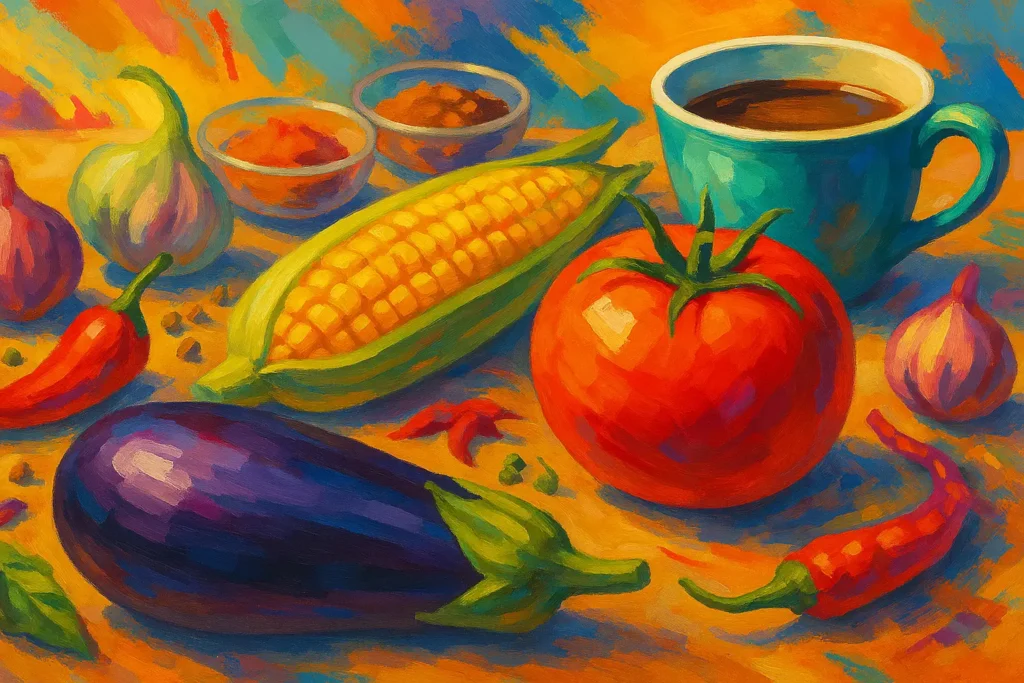
Just take a look at the ingredients: eggplant comes from India, tomatoes from Peru, corn from Mexico, coffee from Yemen, spices from the Orient.
Yet, no one would dare question the Italian-ness of eggplant parmigiana, tomato ragù, espresso coffee or polenta.
🍆 The Eggplant: "Imported" Queen Of The South.
The eggplant, now a symbol of Mediterranean cuisine, came from southern Asia and arrived in Sicily with the Arabs.
At first it was frowned upon: it was said to “drive people crazy.” But taste overcame prejudice.
Today, it stars in iconic dishes such as parmigiana, caponata, and pasta alla Norma.
The result? A carnal, ancient dish that tastes of truth.
🍅 The Tomato: The Fruit Of Peru Became Italian Sauce.
Even the tomato, king of the Italian diet, is a traveler.
It arrived in Europe after the discovery of the Americas, and was met with suspicion. It was not until the 17th century that it began to be cooked.
In southern Italy it found fertile ground and was transformed into passata, pelato, and sugo, becoming the most identifiable ingredient in Italian cuisine-even if it is not Italian.
🌶️ The Spices, The Coffee, The Corn: Italy At The Table Is A World
Oriental spices gave fragrance and warmth to our medieval cuisine.
-The coffee, the symbol of our breaks, came from Yemen and arrived in Venice via Istanbul.
-Polenta, so associated with the North, originated with the arrival of corn from the Americas.
-Chocolate, which warms winter snacks, is the result of cocoa imported by Spanish conquistadors.
🍝 Contamination Is Culture
Italian gastronomic identity was formed by interweaving cultures, tasting, adapting.
Every time a new spice, fruit, grain has come to Italy, we have been able to turn it into something unique, our own, recognizable.
Today, when we look askance at “fusion” cuisine, we should remember that our cuisine has always been a successful fusion.
A contamination is not a loss: it is an opportunity for growth, for flavor, for creativity.
📬 Italian cuisine is not just “territory.” It is history that travels, adapts, mixes.
And every time we put a dish on the table, we bring a little piece of the world with us.
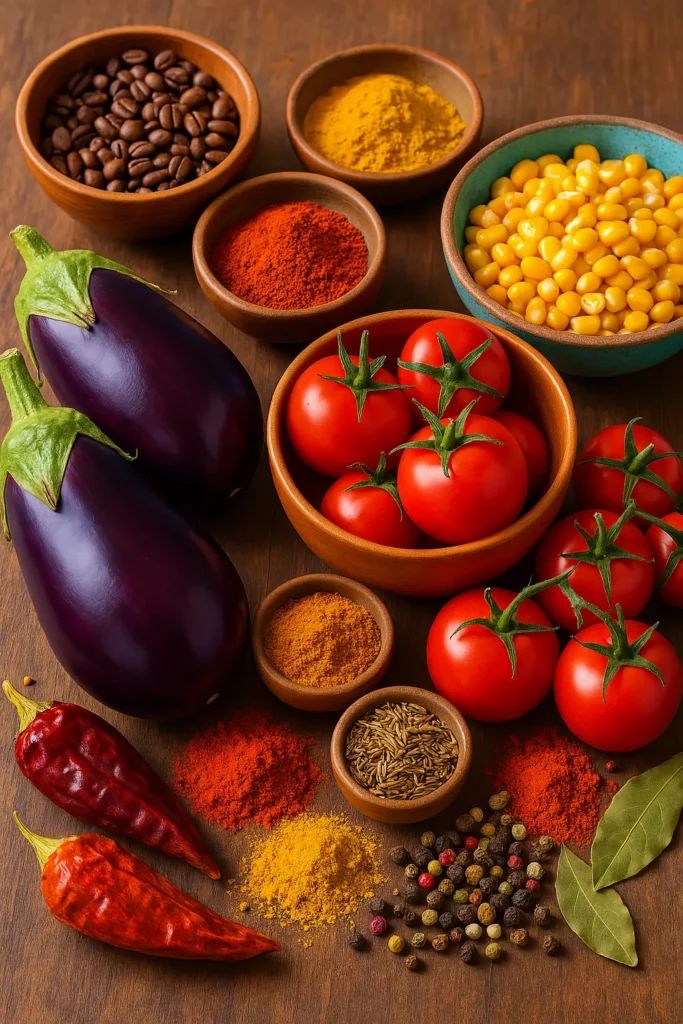
did you know that?
👉 The first documented pasta with tomato sauce dates back only to the late 18th century: before that, pasta was eaten without red sauce.
👉 The name “eggplant” comes from “unhealthy apple,” because of medieval beliefs that it was dangerous to health.
👉 Italian espresso was born with the steam engines of the early 20th century, but coffee has been drunk in Naples since the 17th century.
This post is also available in: Italiano