Between Divine Pancakes And Ancient Rites, The Cake That Tells March And Fatherhood.
👨👦 When Dessert Becomes Symbol
March 19, in Italy, is not only the Father’s Day: it is also the day of the zeppola di San Giuseppe.
A dessert that tastes of custard, black cherries, powdered sugar and… ancient stories.
Because zeppola is not just a recipe: it is a bridge between eras.
Born among the alleys of Naples, it has, however, its roots in Christian legend and the pagan rites of ancient Rome.

🔥 Saint Joseph Pancake Maker: The Neapolitan Legend.
According to a popular Neapolitan legend, St. Joseph-after fleeing to Egypt with Mary and Jesus-to support his family adapted to various trades.
These include that of street pancake vendor.
Hence, the link between his figure and the ritual of sweet fried food, prepared in his honor precisely on March 19.
🏛️ The Liberalia: Pagan Rites And Honey Sweets.
But the history of zeppola also has its roots in the roots of ancient Rome.
On March 17, the Liberalia, festivals dedicated to the god Bacchus and his father Liber – deities of fertility, vines and wine.
During these rites, bonfires were lit in the villages and sweets made from flour and honey were fried, rolled on themselves, which were called “serpula” (from serpens, snake) because of their twisted shape.
👉 It is from this very Latin term, according to some scholars, that the name “zeppola”: a dessert with propitiatory origins, transformed over time into a homage to the figure of the father.
🍩 A Recipe That Changes, A Sense That Remains
La zeppola di San Giuseppe has spanned centuries and regions.
In Campania it is fried, plentiful, filled with cream and black cherry.
But today you can also find it baked, stuffed with chantilly, pistachio, chocolate-or reinvented in a savory, modern way.
👉 Because tradition can evolve without losing its soul.
🧁 Sweets, Fathers, Memory
Today the zeppola is also a way to say thank you, to celebrate those who support and protect.
A dessert that does not divide, but unites: families, generations, confectioners and different histories.
And that every March comes back to remind us that good things have deep roots.
Eating a zeppola is not just a sugar treat:
Is a sweet, ancient, yet very topical ritual.
È a gesture of affection that has traveled for centuries, from Rome to Bethlehem, from Naples to the world.
And every time the cream meets the black cherry, the same story is told again:
That of love that protects, nurtures and remains.
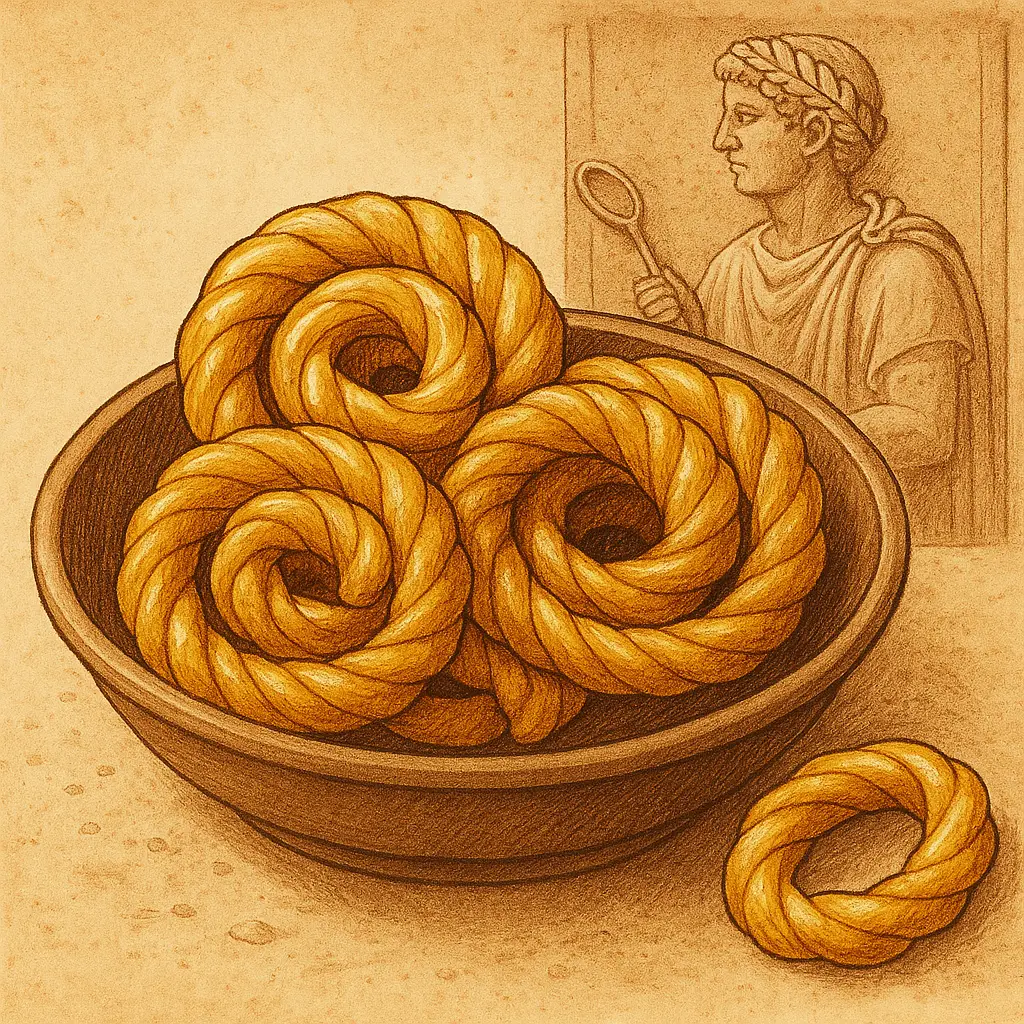
did you know that?
👉 St. Joseph’s zeppole were originally only fried and were prepared on the street on large wood-fired pots.
👉 In many cities in southern Italy, zeppola is so important that March 19 is considered a second Carnival: sweets, set tables and family celebrations.
👉 The modern baked version originated in nineteenth-century Neapolitan pastry shops to offer a lighter-but never less mouthwatering-alternative.
the Recipe
This post is also available in: Italiano